

Hurricane Preparedness And Your Car: Tips To Keep Your Vehicle Safe In Extreme Weather
Hurricane preparedness is an almost automatic reflex for those living in Florida. By the time hurricane season starts, everyone usually has a few cans of tuna, brand new batteries in their flashlights, and jugs of fresh water. Maybe you’ve even got a good case of beer for when we get lucky and there’s just a few bad storms that roll through.
You’ve got a plan in place to keep your family safe and plenty of sandbags and plywood to protect your property. But what about your car?
Follow along and take notes as we break down the best tips to prep your car for extreme weather.
Before The Storm
The best time to catch up on hurricane preparedness is way before the first forecast.
Make sure you:
- Have an evacuation route planned
- Keep up with routine maintenance
- Check your oil and other essential fluids
- Install new windshield wipers
- Check your tires
Regardless of whether or not there’s a “cone of uncertainty” pointed towards your city, you know hurricane season comes around every year; don’t be caught off guard.
Once a storm is forecast, here’s what to do next:
Fill Up Your Tank
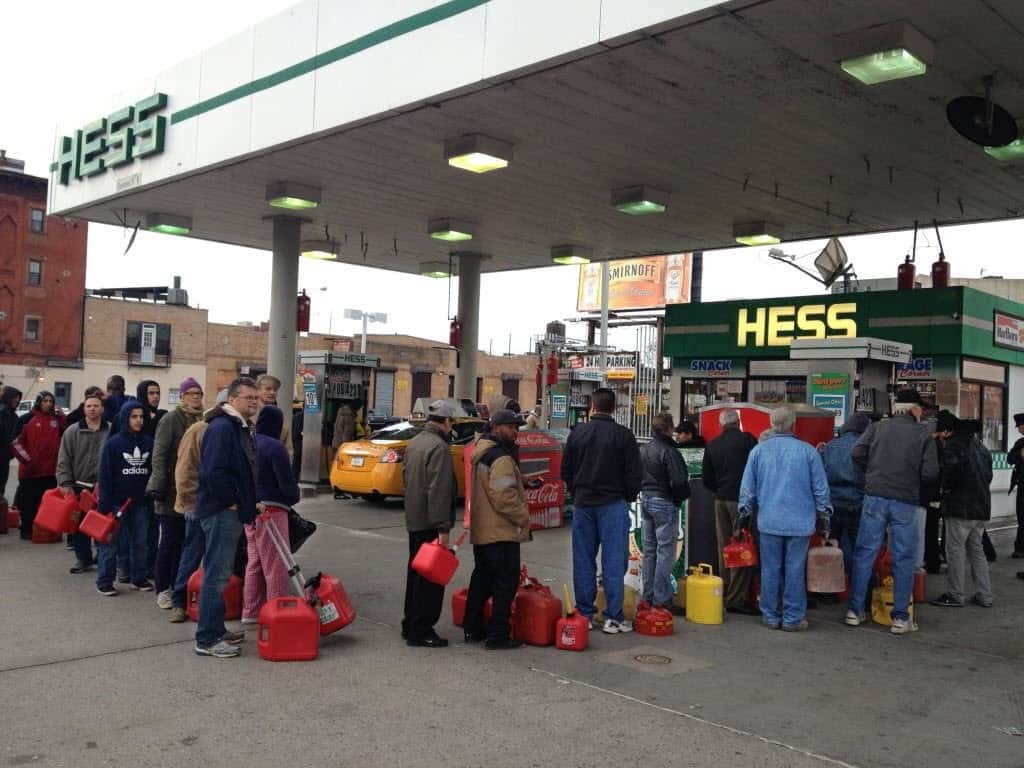
Don’t wait until it’s too late to fill up your tank. Not only will there be a run on fuel before a big storm, gas could be in short supply afterwards.
You’ve seen the lines that can form at the pumps when people wait until the last moment – don’t find yourself in that predicament when the skies start to darken.
Take “Before” Pictures Of Your Car
For insurance purposes, it’s a good idea to take a few pictures of your car. In case of disaster, the photos you take will provide an accurate record of your vehicle.
Remember to get both interior and exterior photos, plus pictures of the trunk and engine. Once the skies clear, you can compare your car to the pictures and measure any damage that might’ve occurred.
Keep Your Valuables And Important Documents Safe
A crucial part of your hurricane preparedness practice is to do a sweep of the interior of the car. Make sure you remove any and all valuables in case you can’t use your vehicle.
If you end up being forced to leave your vehicle behind, you might not have a chance to get things that are important to you. Plus, they could be left exposed and vulnerable after the storm.
Another thing you can’t neglect while getting ready for severe weather? Making sure you’ve got your important documents in a safe place.
Here’s a checklist of what you need to do:
- Store your vehicle’s registration and insurance in a waterproof bag
- Make backup copies of these documents just in case
- Distribute copies to any other drivers in the family in case you’re separated
- Bonus tip: make extra copies of your car key
Don’t wait until the last minute to get your paperwork in order – do it while there’s still time to prepare.
Pack A Hurricane Preparedness “Go Bag”
Another essential piece of gear you need for your car is an emergency kit. This is a bag that goes where you go and is packed to the brim with tools and supplies that will help you survive.
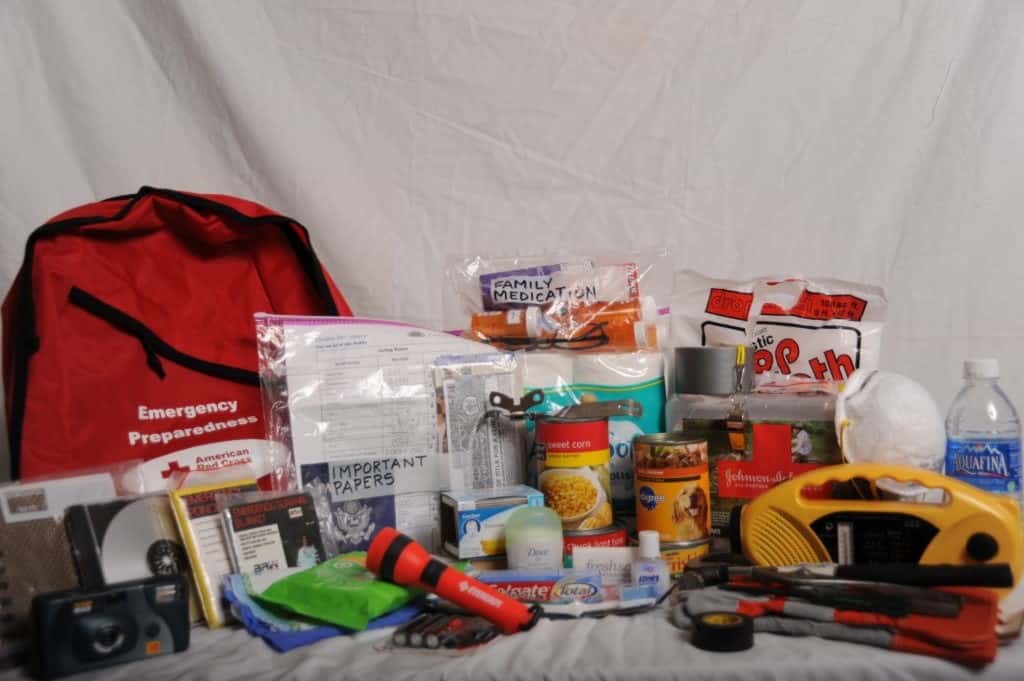
Here’s the basics to help you get started:
- Flashlight and extra batteries
- First aid kit
- Ponchos and other rain gear
- Maps with landmarks and places such as police offices, hospitals, and fire stations clearly marked
- Road flares and whistles to signal for help
This will help you lay the foundation but there’s still more options for you to add to your “go bag”. If you’ve already got one, make sure you update it at the beginning of hurricane season so that your batteries are fresh and your medicine isn’t expired.
Park Smart
Many people don’t consider where they park to be part of proper hurricane preparedness tactics but it can make a big difference after a storm.
The two major things that are going to affect your vehicle during a storm are strong winds and high water. Your best option to protect it is to park it somewhere safe, like a garage or other sturdy enclosure.
If you don’t have a garage, there are other options. See if you can park close to a building that offers at least partial protection.
Keep an eye out for anything nearby that might blow away and become a flying projectile.
Never park under tree branches or power lines that might fall during a storm. They can damage your vehicle or worse, block your exit if you need to evacuate.
After The Storm
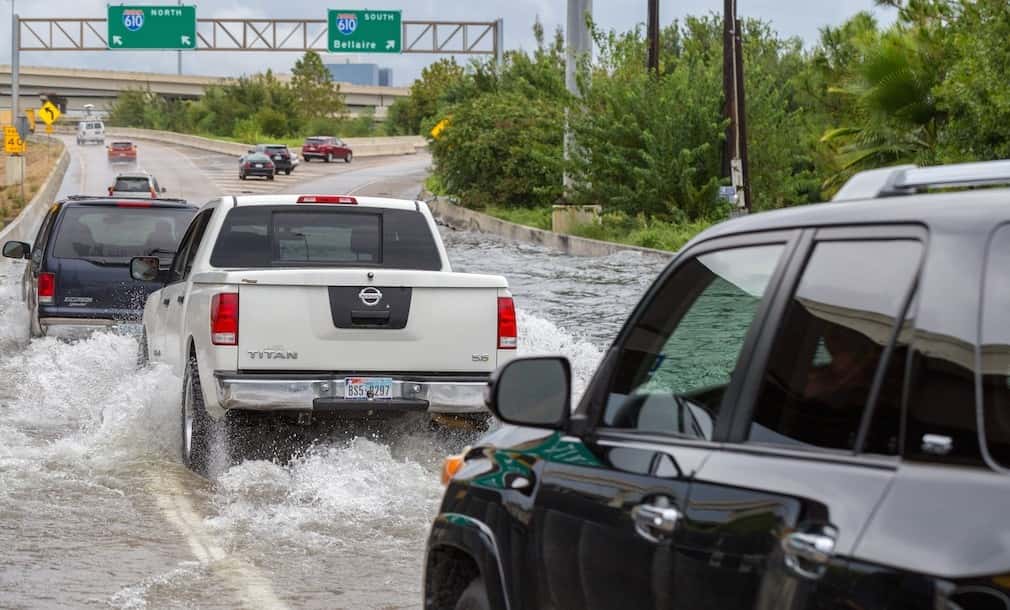
You might be tempted to hit the road the second it looks like the clouds are clearing up but before you do, there’s some things to keep in mind:
- Don’t drive unless absolutely necessary. Emergency response vehicles need the roads clear and it still might be a dangerous situation.
- Keep in mind roads and bridges might look sturdy but could’ve been damaged. Be careful before driving on them.
- One foot of water is enough to stall your car and sweep it away. NEVER drive on a severely flooded road!
- Driving through deep water can stall your engine. If that happens and you need to restart it to get to safety, keep in mind restarting it might damage it.
- After driving through deep water, depress your brakes slowly and repeatedly. This helps them dry out.
At the end of the day, whether you’ve got a brand new BMW or a trusty old pickup truck that’s been with you through thick and thin, no vehicle is worth your life. Abandon your vehicle if a situation becomes unsafe.
Being Proactive Is The Key To Hurricane Preparedness
It’s never to early – or to late – to prepare for any storms that might threaten you family, home, or car. Besides following these tips, get a quote from Morgan Insurance Services.
Morgan Insurance covers vehicles and homes. You can even get flood insurance, which is a necessity if you live in Florida.
As a reminder, flood insurance has a 30 day wait period once bound unless you’re replacing a current, active policy or it’s for a new home purchase. The earlier you prepare, the better.
Stay safe – hope for the best but prepare for the worst. If you found these tips helpful, please share them with your friends and family!
0 comment(s) so far on Hurricane Preparedness And Your Car: Tips To Keep Your Vehicle Safe In Extreme Weather